
Journey through time with Crescent Duck Farm, where decades of dedication have shaped our legacy of excellence.
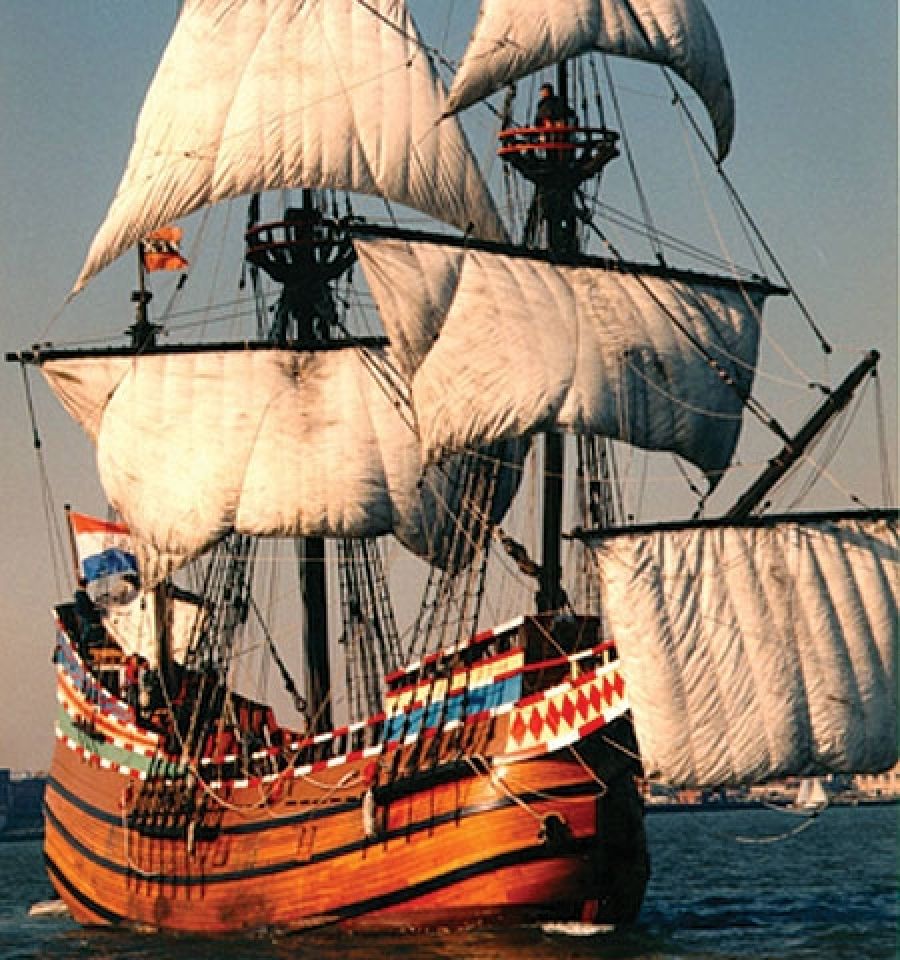
Henry F. Corwin is the ninth lineal descendant of one Matthias Corwin, who was born in the western of England between 1590 and 1600, and who later settled in the Massachusetts Bay Colony prior to 1634. Records of Ipswich, Massachusetts show that he owned land and was a ‘freeman’. Shortly afterwards, he moved westward and helped found New Haven, CT.
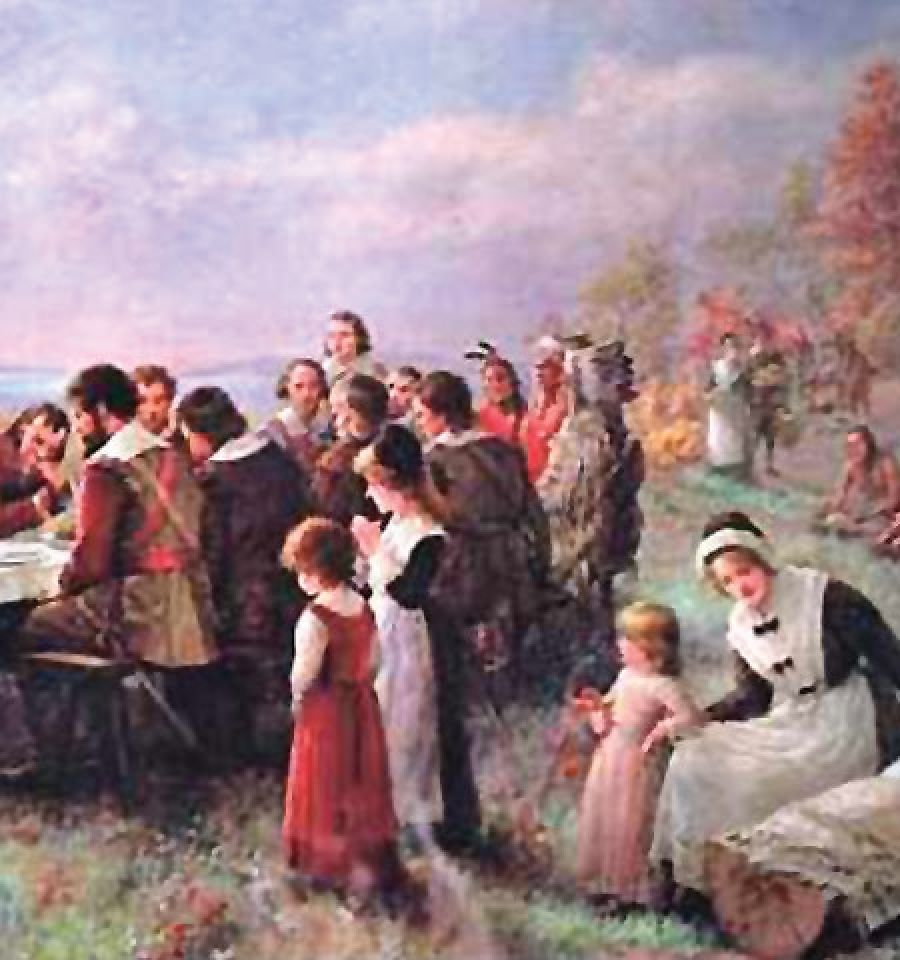
The Corwin Family's descendants came to the Long Island area back around 1640, as part of the Puritan migration from England. These early American settlers came to the US in family groups, rather than as isolated individuals, and were motivated by a quest for freedom to practice their Puritan religion. The land that is now Crescent Duck Farm was purchased by one of the original settlers of the North Fork, Matthias Corwin.
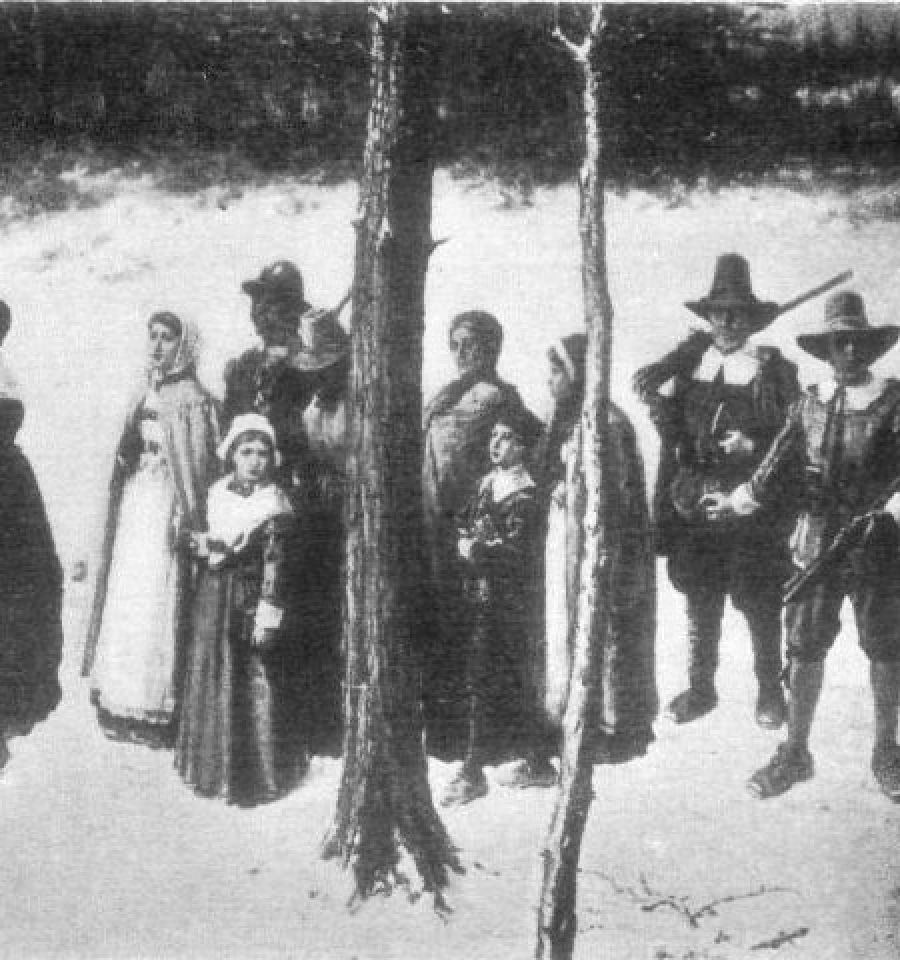
In 1640, Matthias Corwin, with a group of other families under the leadership of Reverend John Young, settled at Southold, Long Island, NY. At the time of his death, Southold records reveal that Matthias owned considerable property, including “a third lot of meadows at Accoboack.”
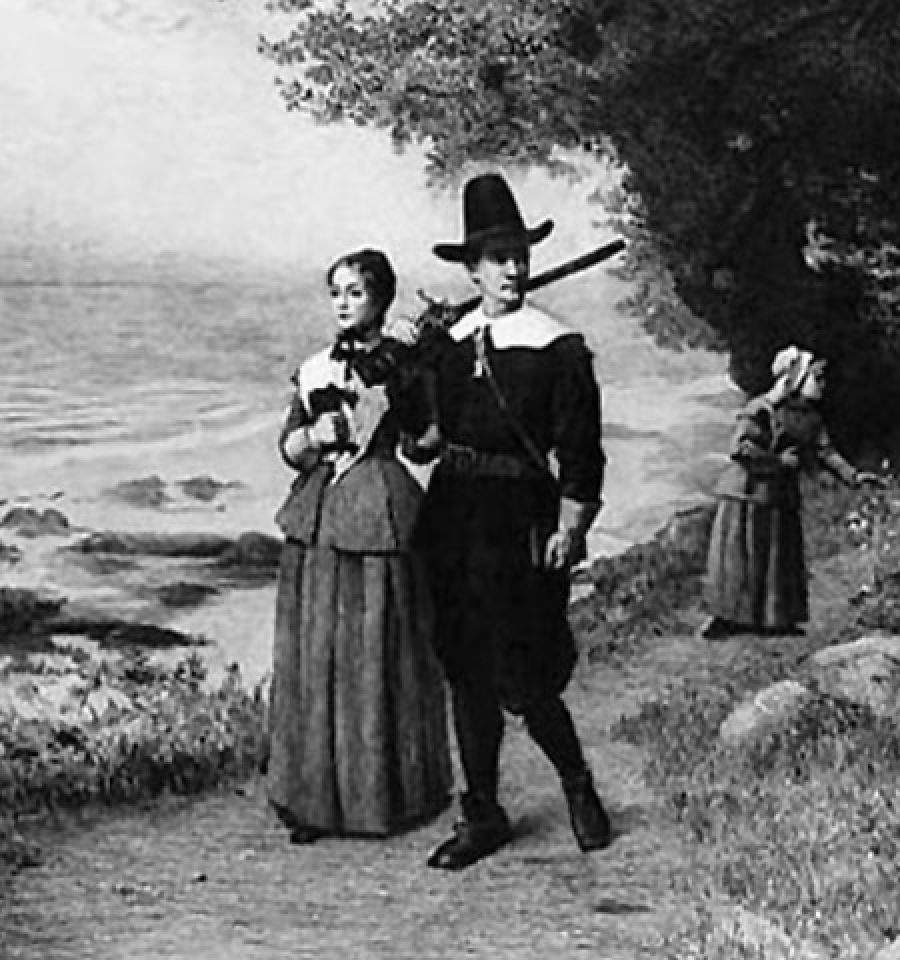
In 1655, one of Matthias' two sons, Theophilus, owned both land and meadow in Aquebogue.
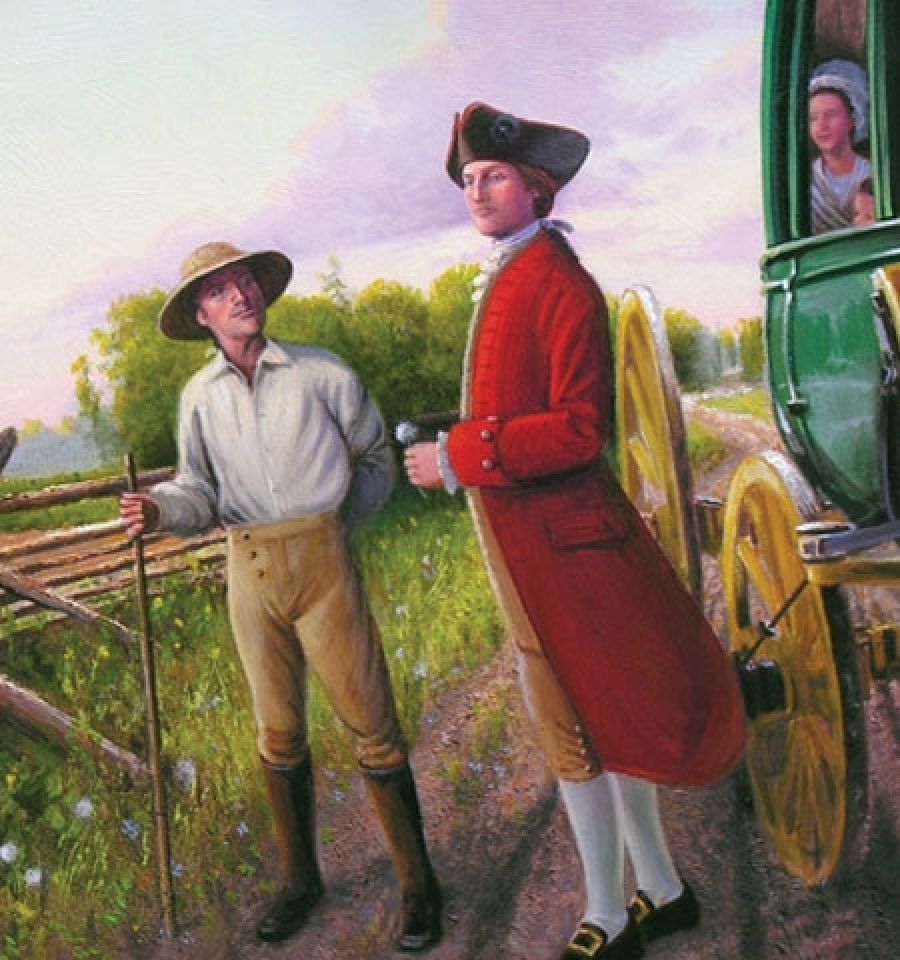
Church registers and records show that the Corwin family left Southoldand were well established by 1773 in Aquebogue, where they were mainly farmers.
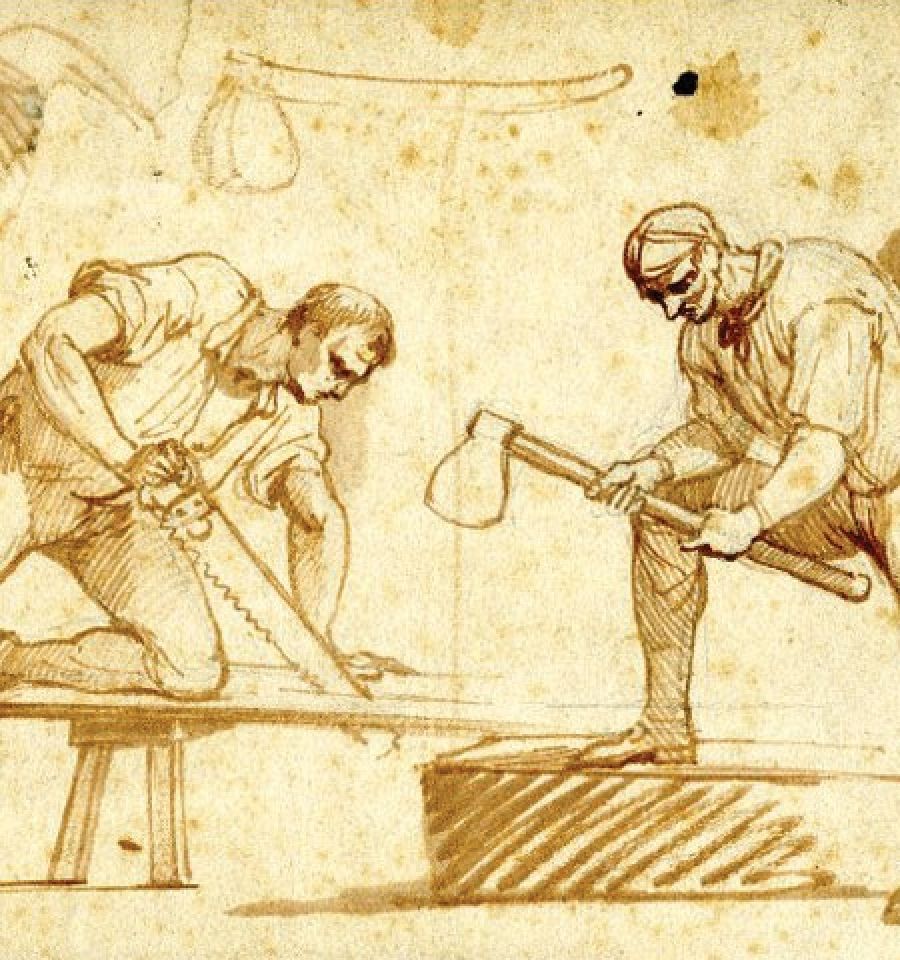
Here, Oliver and Sarah Corwin brought up three sons: Henry Frank, born March 29, 1869, Halsey, Ambrose; and one daughter: Augusta. Henry became a carpenter like his father and other family members. Throughout the eastern half of Long Island, they did heavy construction projects including St. Isidore’s Polish Church, the Riverhead Congregational Church, and the remodeling of the Suffolk County Trust Company.
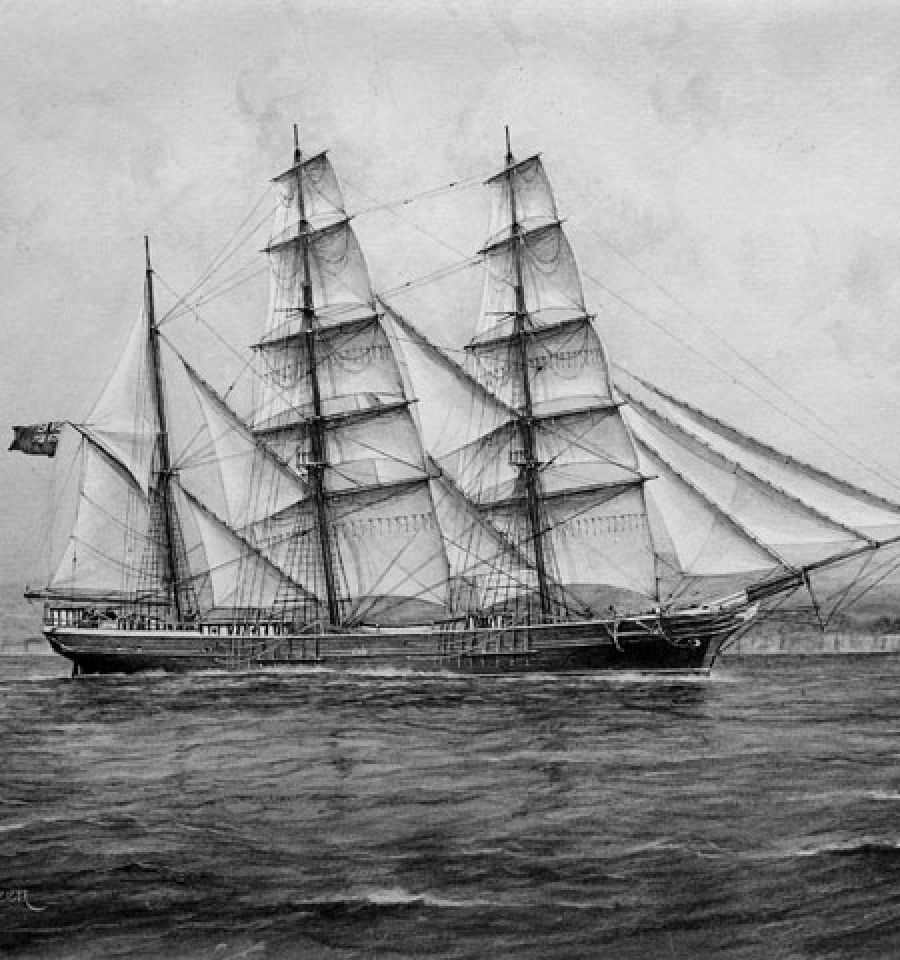
The history of Long Island duckling began in early 1873 when a British resident of China, Major Ashley, obtained White Pekin ducks of unusual size, the eggs of which he later hatched. Shortly afterward, James E. Palmer, a passenger on a clipper from Stonington, Connecticut, came across these ducks and arranged to take a small supply home to New York. His interest was so aroused that he arranged to take a small supply home. Despite the fact that some of the ducks were lost in a storm, Palmer arrived in New York City on March 13, 1873 with one drake and three ducks.
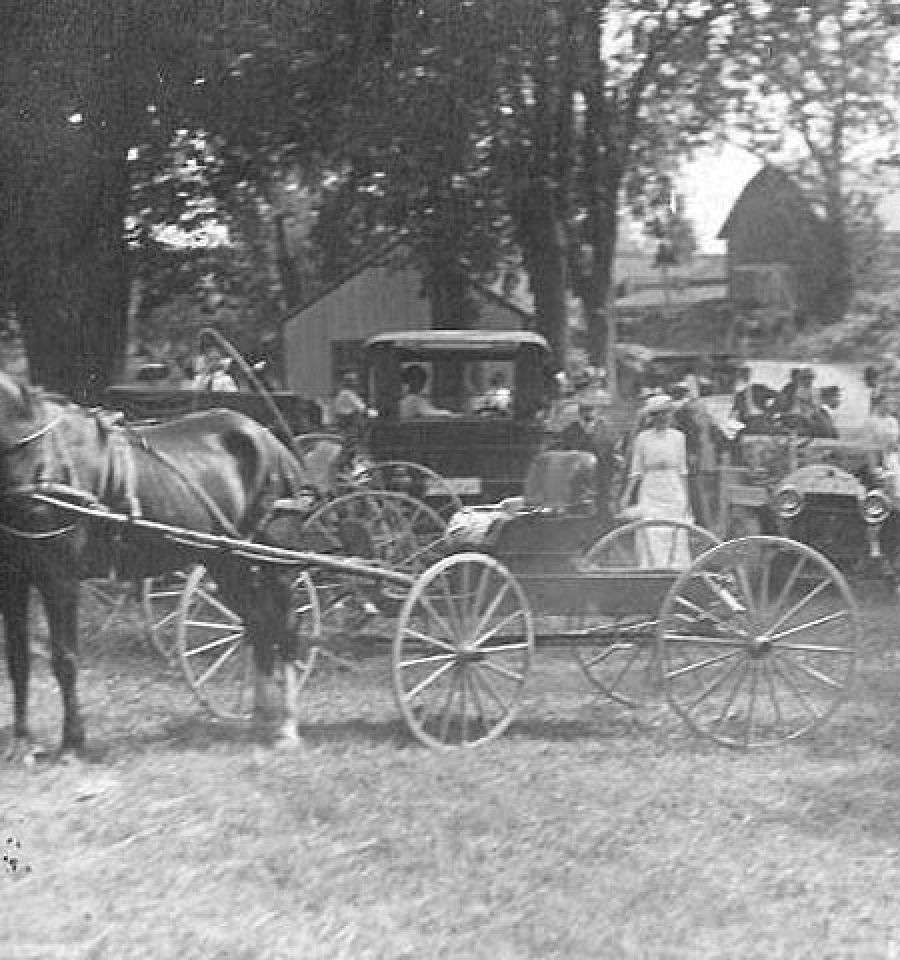
Across from his father’s home, Henry built a home in which he and his wife, Georgia Hallock, raised three sons: Fenimore, Lloyd (born December 29, 1904), and Oliver Halsey.
Across from his father’s home, Henry built a home in which he and his wife, Georgia Hallock, raised three sons: Fenimore, Lloyd (born December 29, 1904), and Oliver Halsey.
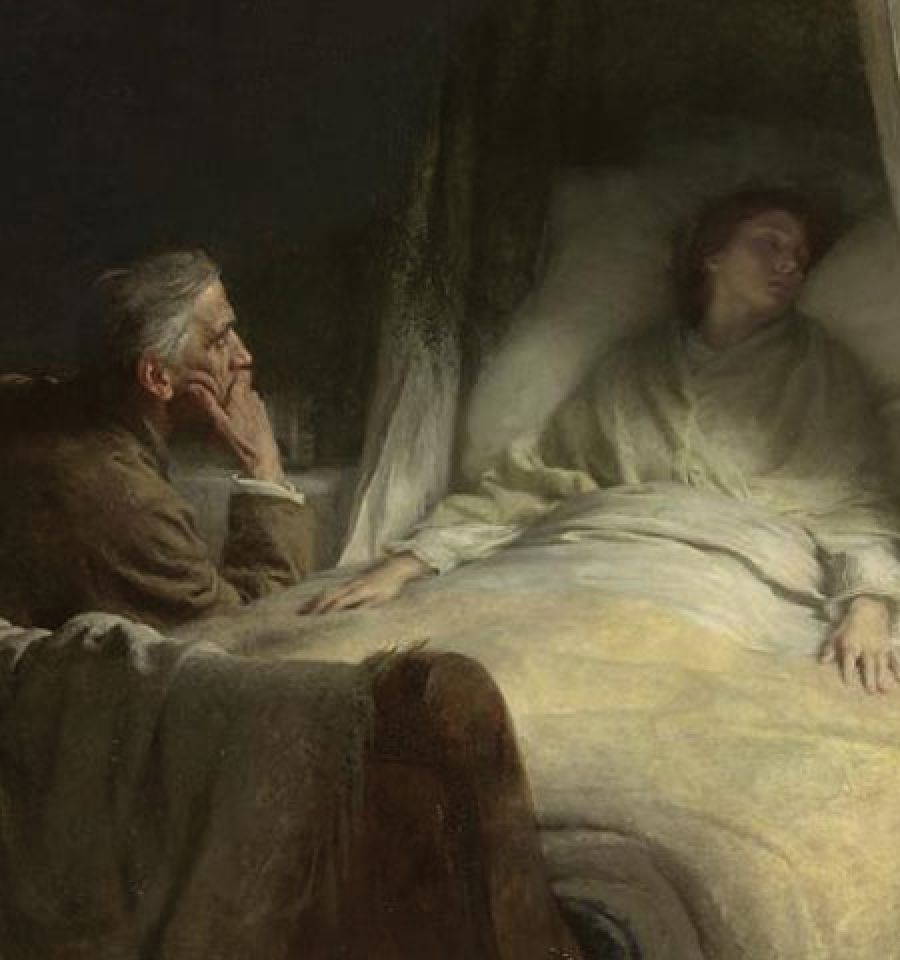
Then, Henry’s wife became ill. Mounting doctor bills and responsibilities to his family soon forced him to give up his carpentry trade so that he could be close to home. He was able to apply his sandy land to its most suited use, the growing of Long Island ducks.
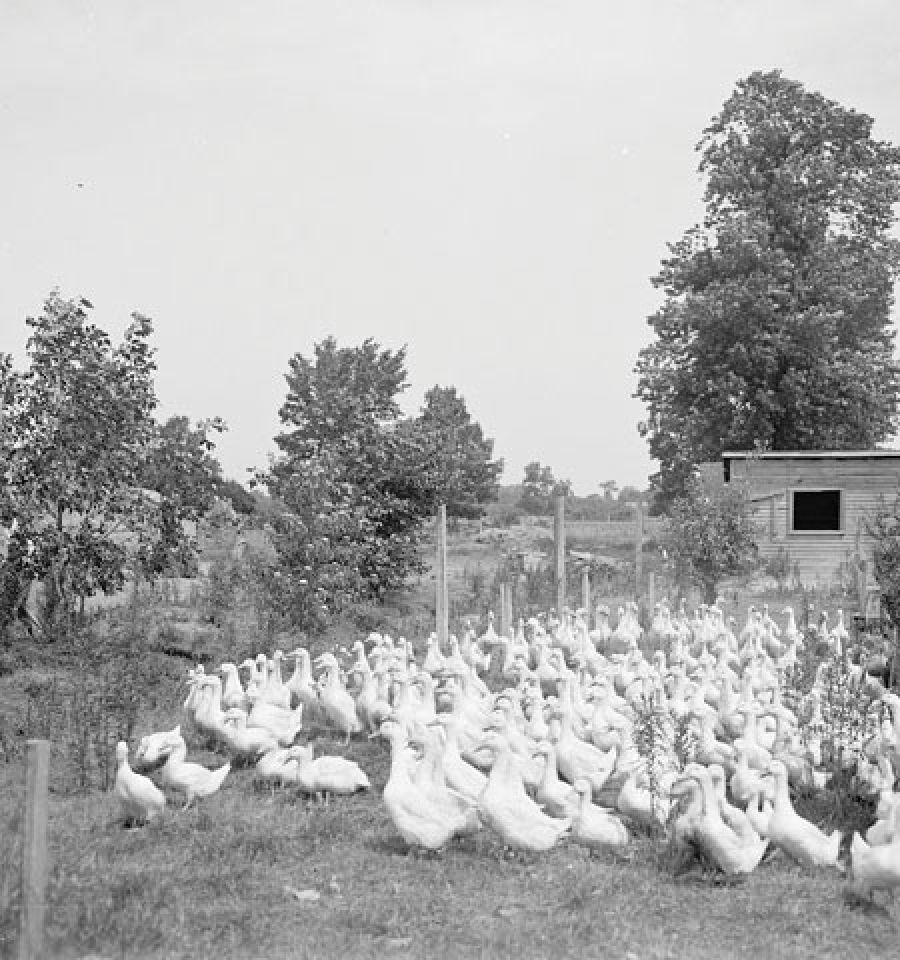
Henry Corwin started the duck farm by purchasing 30 breeding ducks in 1908. He put the ducks on his land in Aquebogue, which had been purchased 9 generations earlier by one of the original settlers of the North Fork, Matthias Corwin. The next year he gave up his carpenter trade and started duck farming full time. Since the brackish water creek alongside was crescent shaped, Henry’s wife named the farm, Crescent Duck Farm.
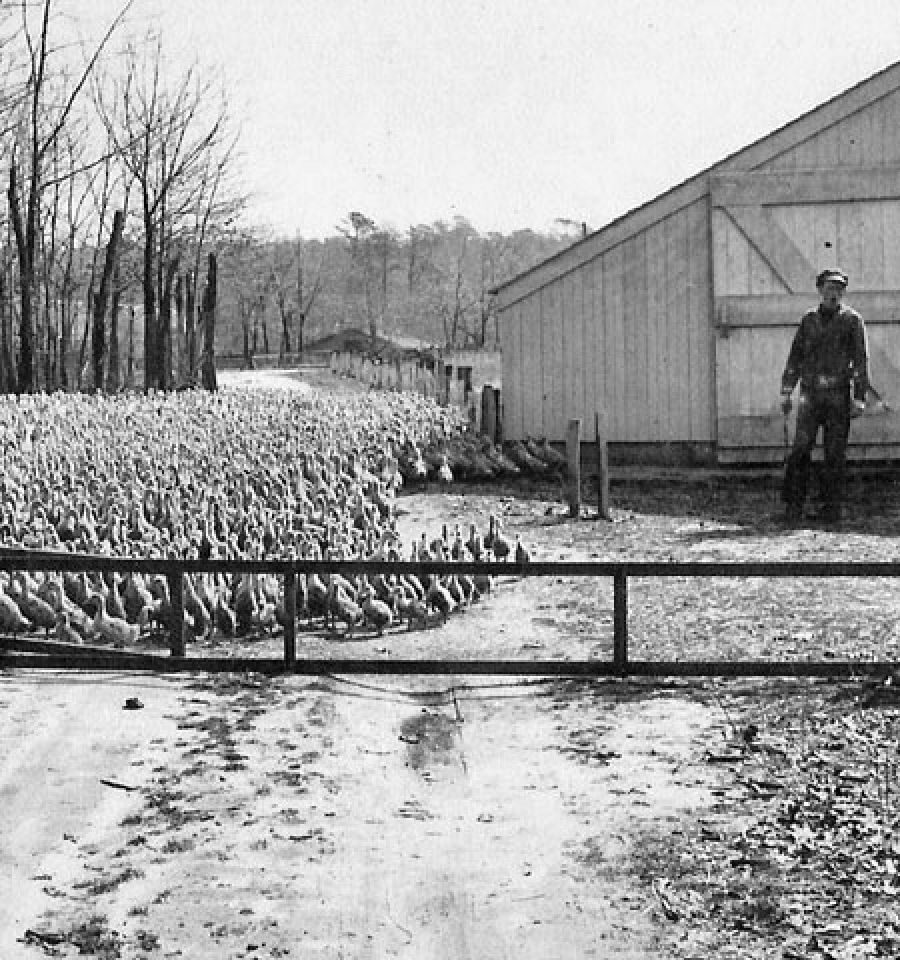
In the first few years he raised about 4000 ducks annually. Over the next 100 plus years, a gradual step-by-step growth occurred in the operations of the farm as each generation devoted its energies. Henry started with about 25 acres of land. Today, the farm is about 6 times that size. Over the years, as adjoining properties became available, they were acquired to enlarge the farm.
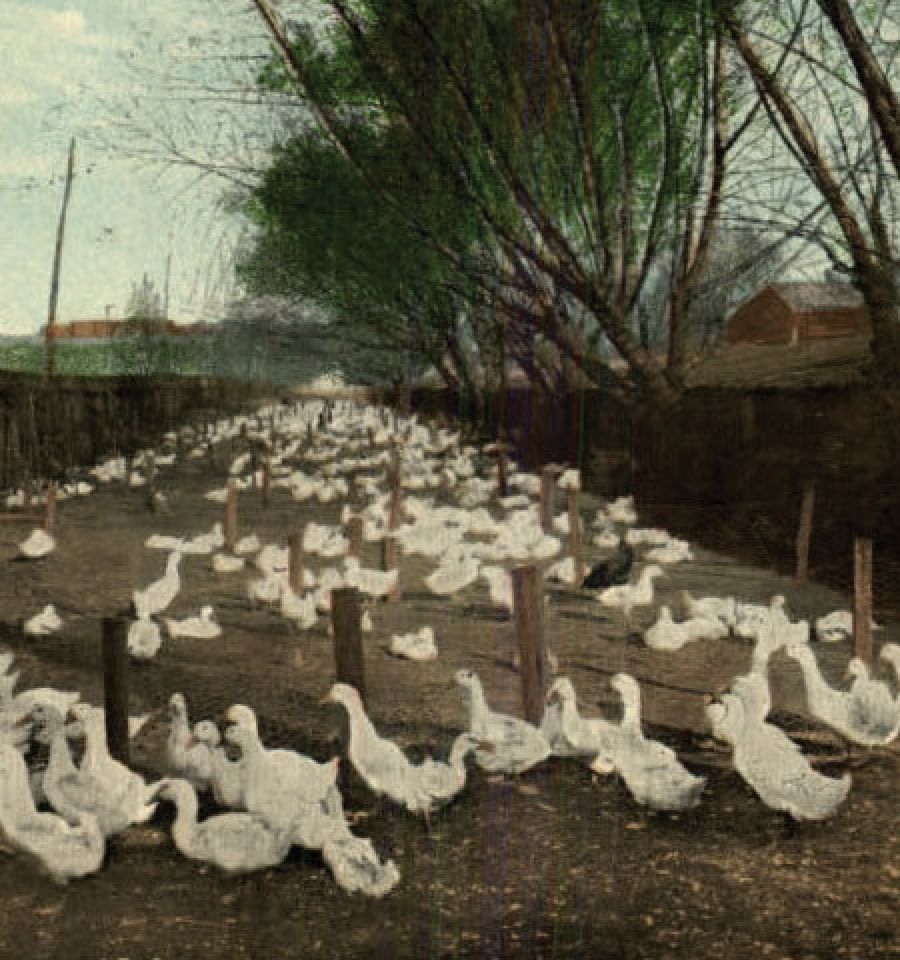
In the beginning, the eggs from Henry's breeding flock were hatched under chicken hens, due to the fact that white pekin ducks will not sit and hatch their own eggs. After a few years, he bought a second hand incubator to modernize this process.
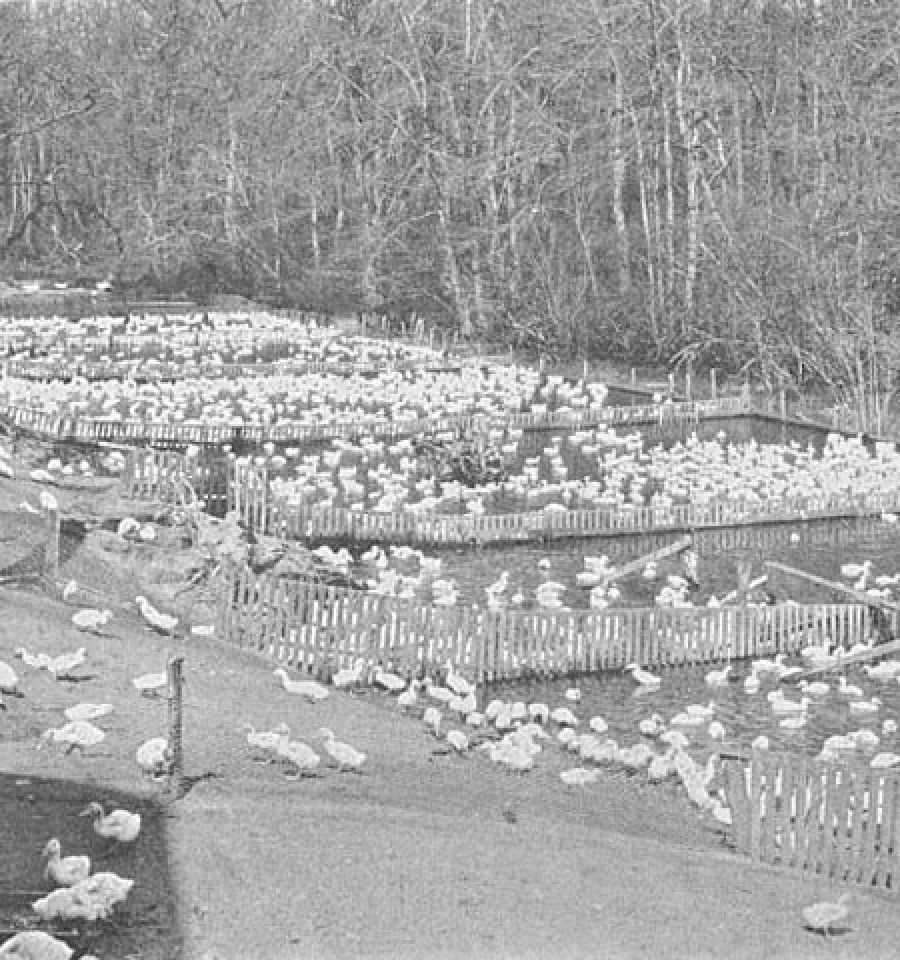
In the early 1920’s, Henry’s son, Lloyd Sr., joined the business. Together they built additional barns to increase production. Times were very good with production reaching 150,000 ducks per year.
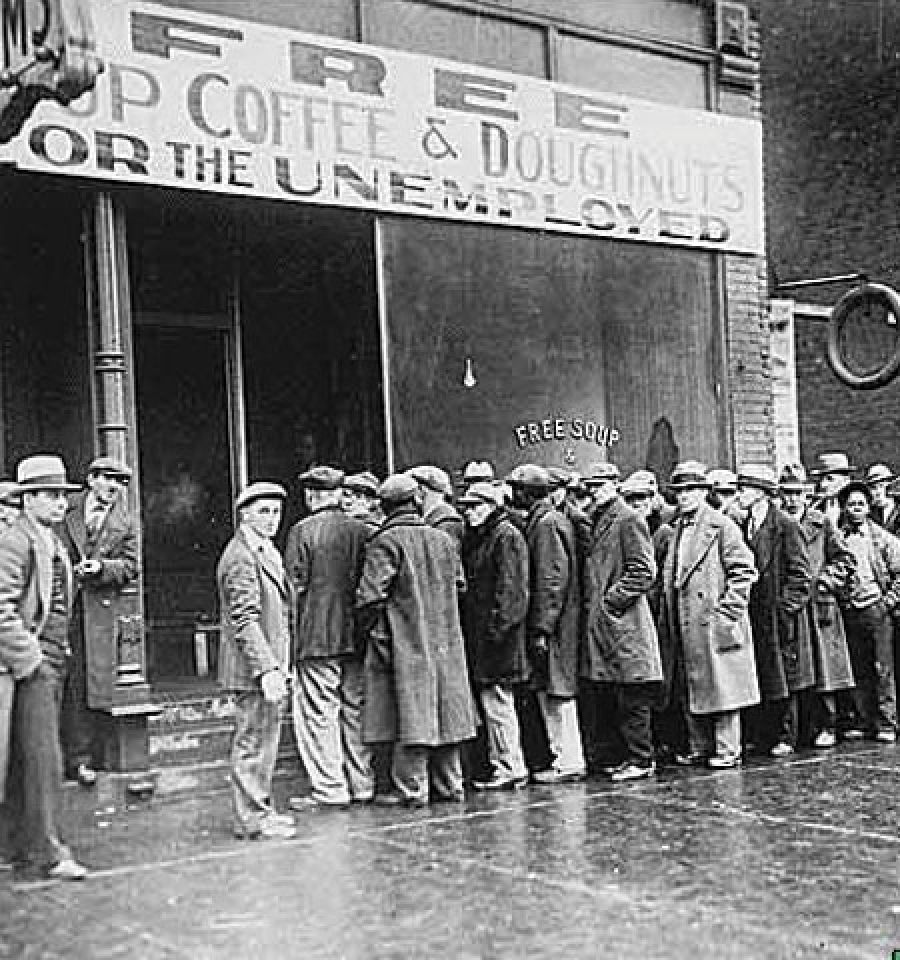
When the Great Depression of 1929 hit, it devastated the farm. At that point, farm income became nil. To supplement the farm income, Lloyd Sr. and several of his helpers became part-time plumbers.
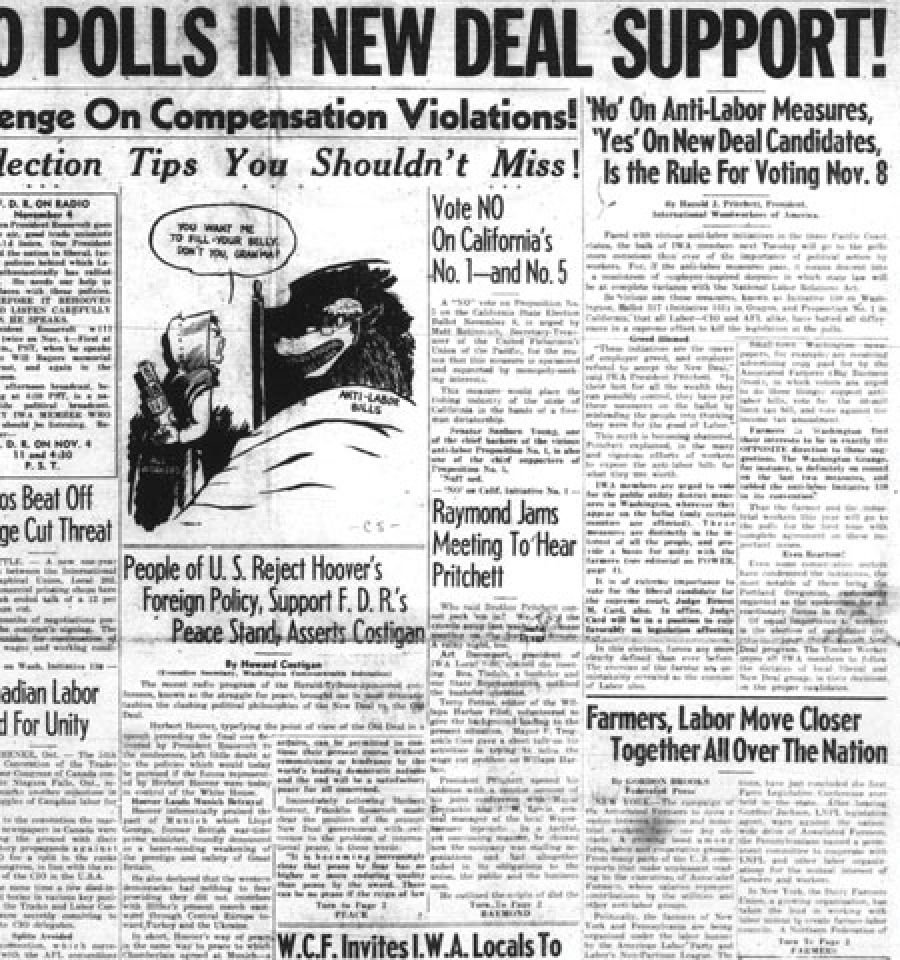
Gradually during the mid to late 1930’s, the duck business became much more viable and growth in the farm recommenced. Older barns made way for larger ones. Modernized feeding and incubating equipment was purchased.
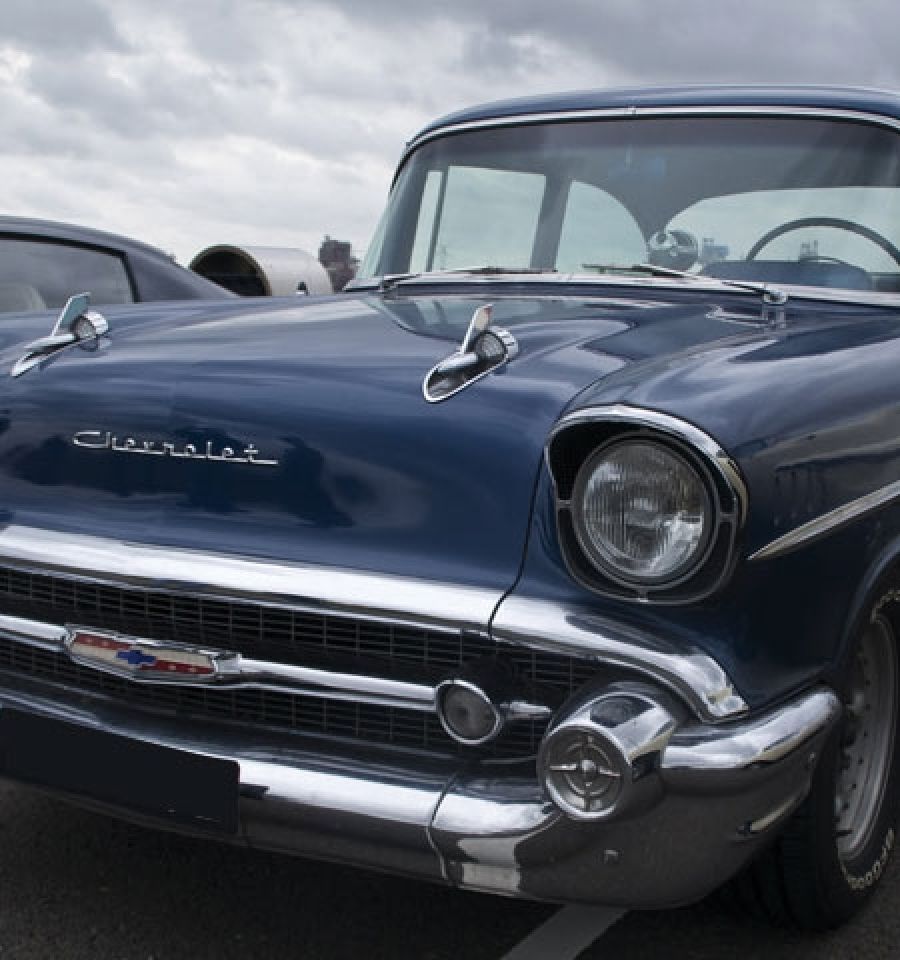
By the early 1950’s a state-of-the-art USDA licensed processing and freezing / chilling facility was added. At this point, Lloyd Sr.’s children, Lloyd Jr. and Janet, arrived back home from Cornell and Bucknell Universities, respectively. Both of them added a high degree of professionalism, helping to transform the farm into a modern business. During each and every decade since, barns have strategically been added or refurbished and production has gradually increased.
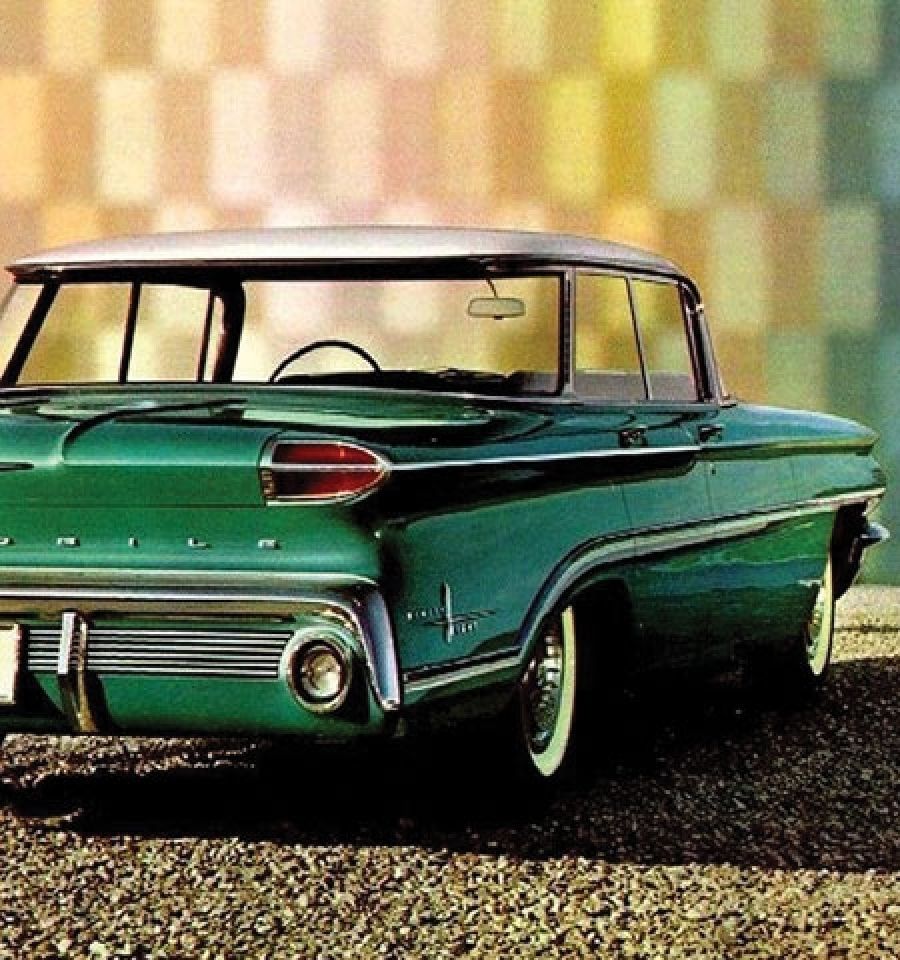
In the 1960’s the farm was dramatically upgraded in order to meet environmental responsibilities. Barns were modernized with state-of-the-art mechanization.
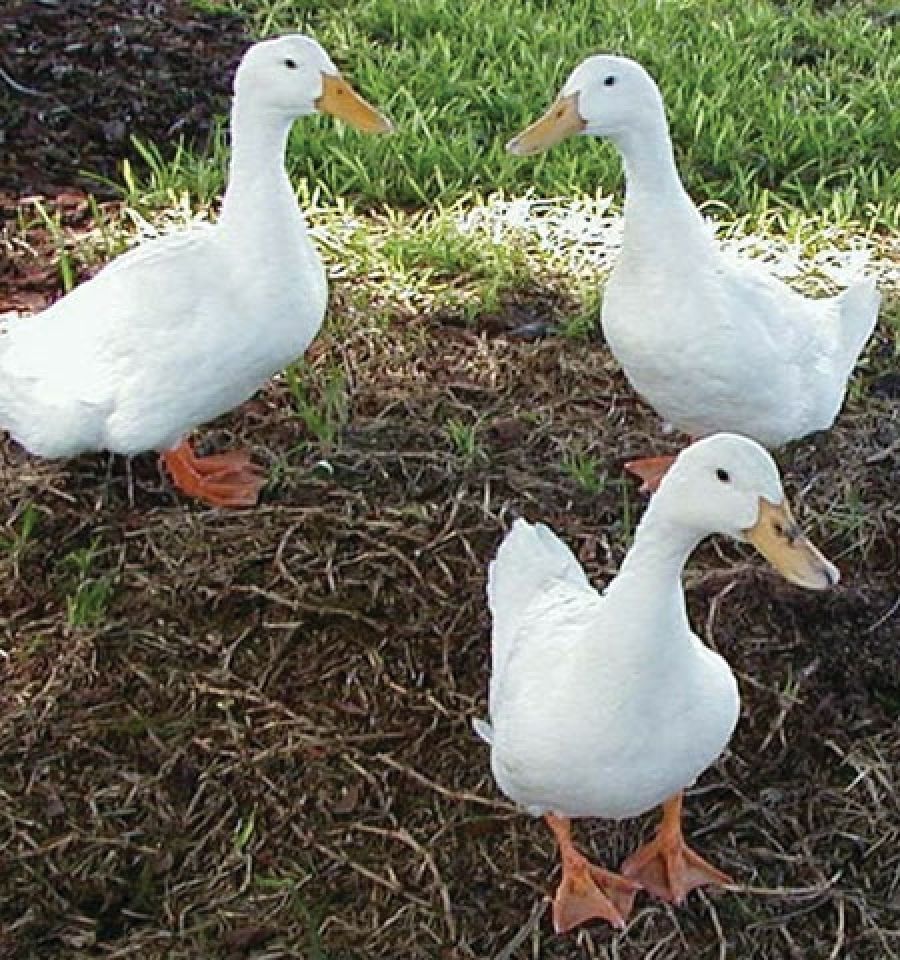
1980 marked a milestone year as Douglas, Lloyd Jr.'s son and the current president of the company, began upgrading our breeding programs. Prior to this, birds were selected on farming traits such as good reproduction and growth. Douglas' upgrade changed this process so that selections were directed toward breeding the meatiest and most succulent ducks. This was a first step in transforming the ducks that Crescent sold.
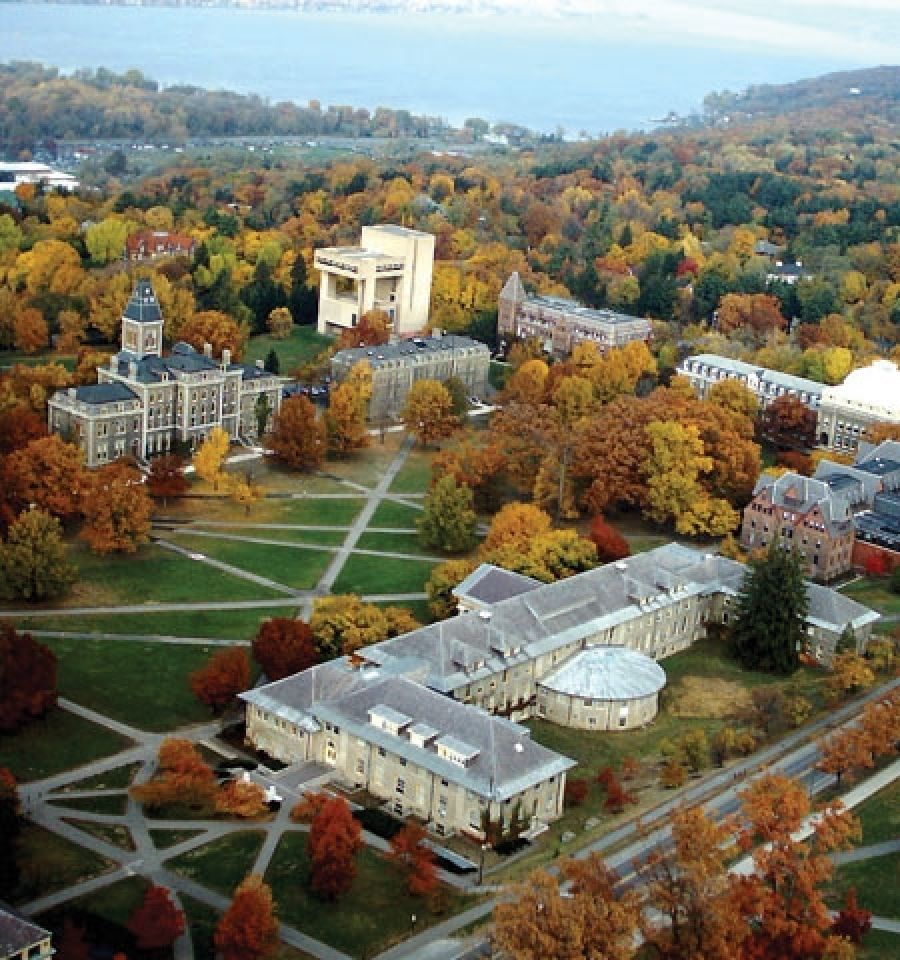
During the 1980’s, Lloyd Jr.’s children, Douglas, Jeffrey and Cindy arrived back home from Cornell, Cobleskill and Cortland Universities, repsectively. Each of them have been working ever since toward advancing the family business.
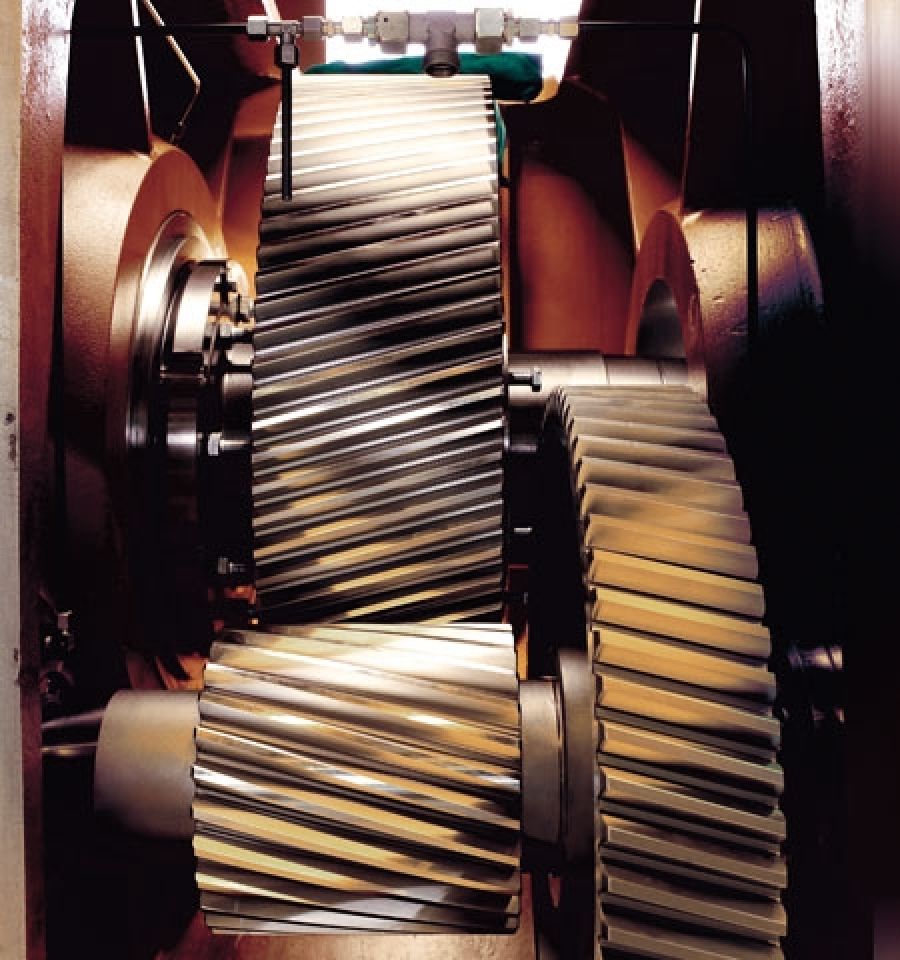
In 1984, a modern feed milling operation was purchased. Prior to that, feed was either self-mixed in the early decades or purchased from a local mill in the later ones. Acquiring the mill allowed Crescent to greatly improve the nutrition of the ducks. This was a second huge step in allowing Crescent to meet the needs of chefs and consumers looking for a high-quality duckling.
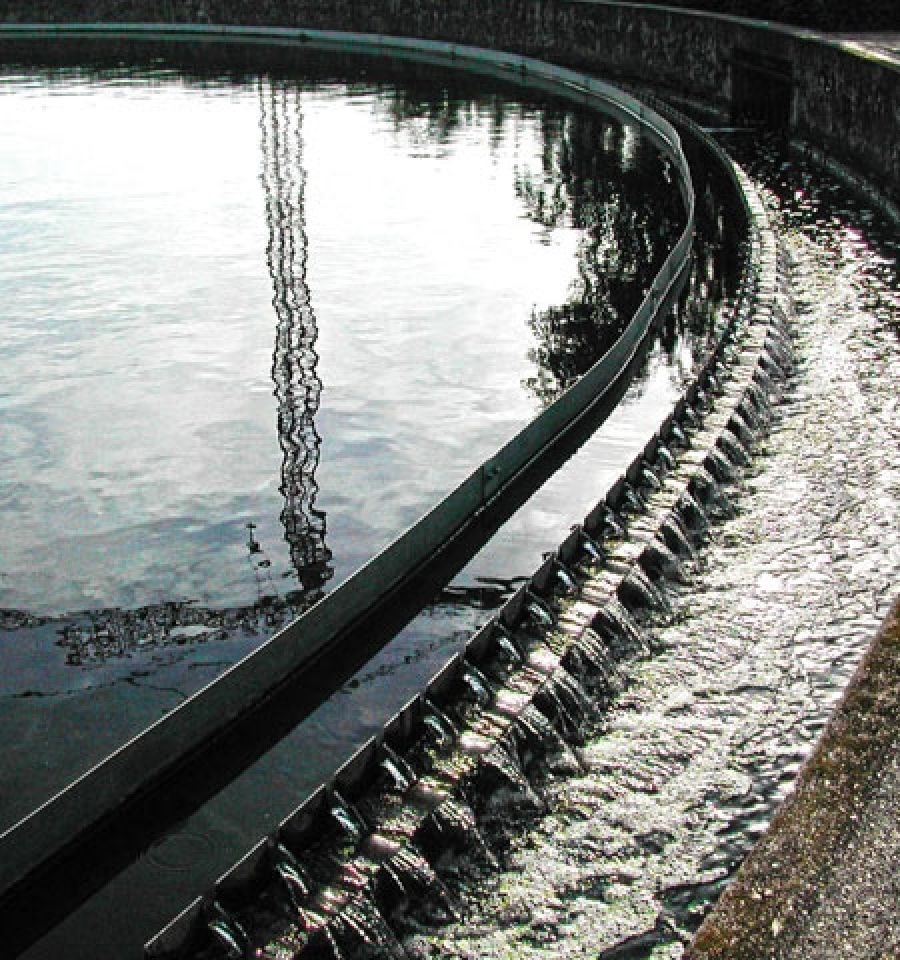
During the last decade, a state-of-the-art waste treatment facility was proactively added. This was a huge investment for the family. It has allowed us not only to be environmentally responsible, but we also generate the equivalent of 200 kilowatts of energy from making biogas from the duck waste.

In recent years Douglas’s children, Blake and Pierce arrived back home from Cobleskill and Cornell Universities and have become the 5th Generation to help take Crescent forward.